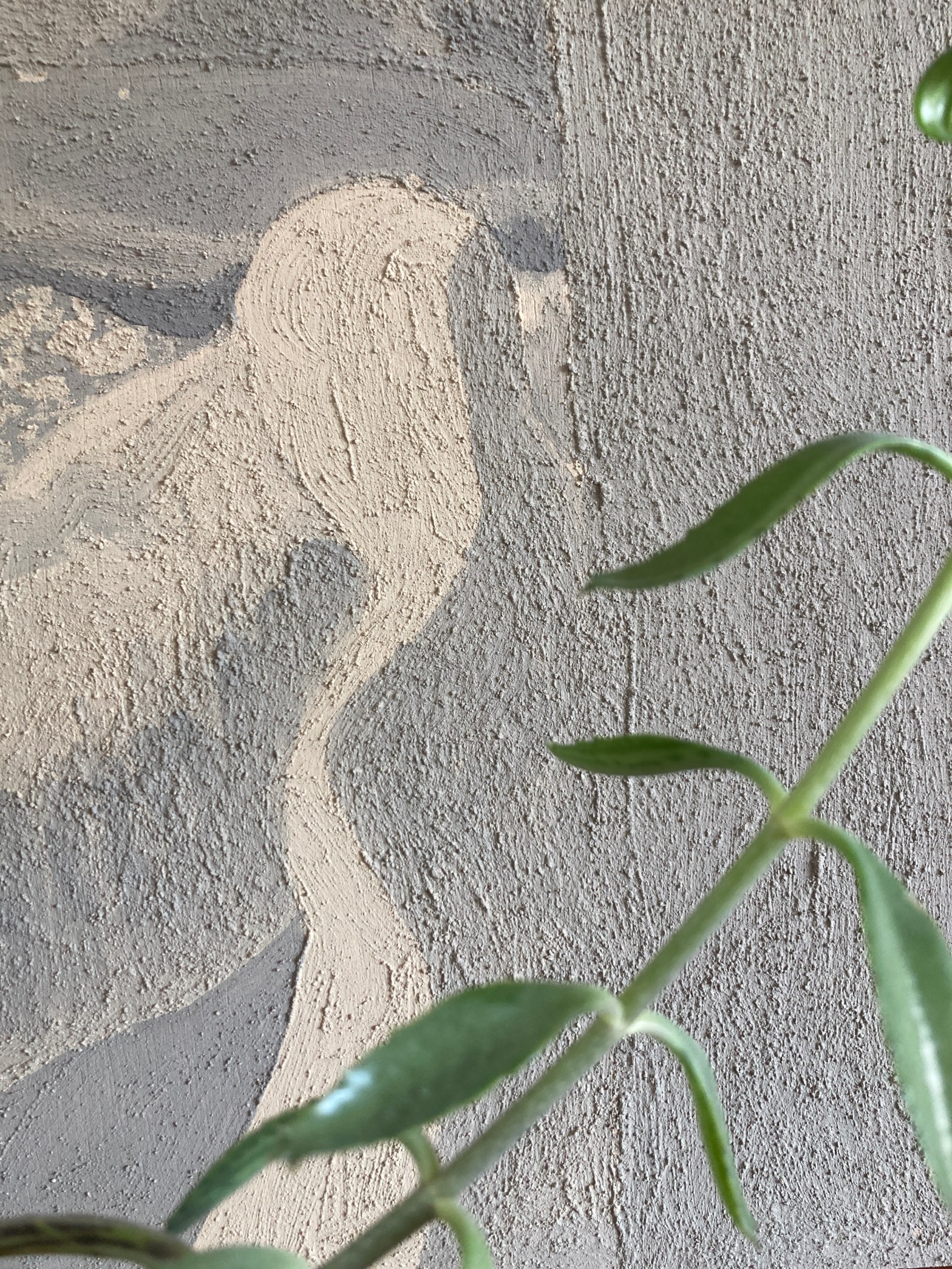
My exploration into natural clay paints has been unexpectedly inspiring. I used to use acrylic paints. My last acrylic painting was in 2019, a large replica of a de Chirico oil painting I really love.
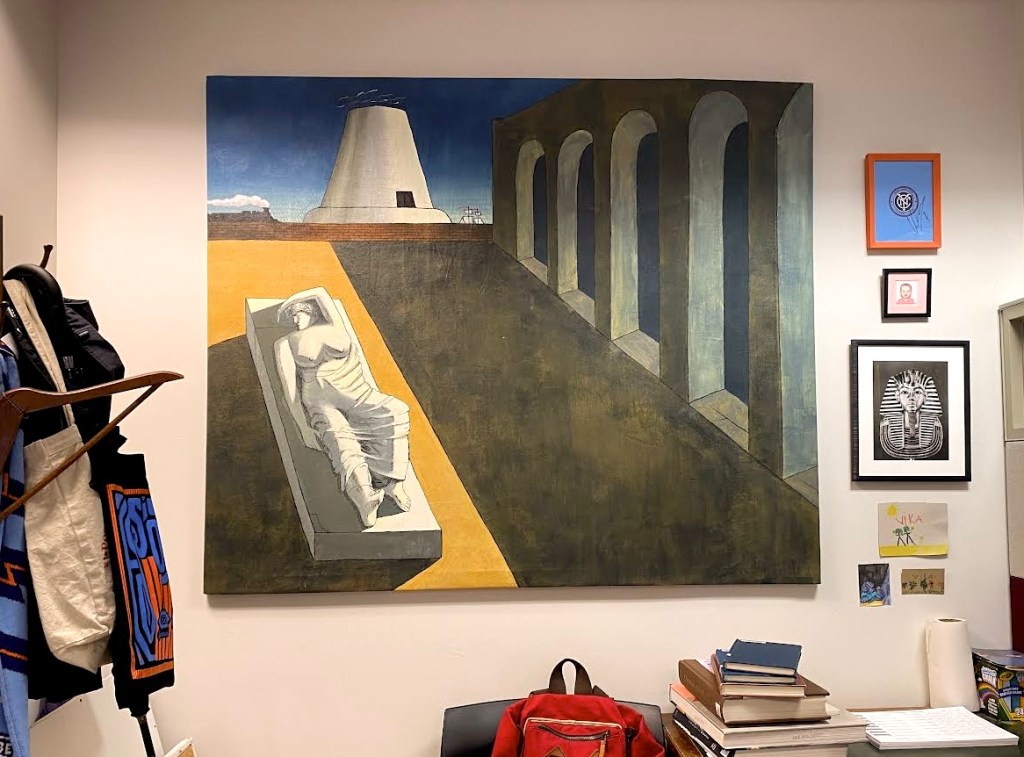
Oil paints have been used for centuries, and are made of pigments suspended in a hardening oil, like linseed oil. But they’re slow-drying and hard to clean up, so acrylic paints have largely displaced them in a world that’s been sold on speed. I hadn’t painted for six years. It wasn’t important enough to me, not helped by my increasing aversion to participating in plastic pollution. Acrylic paint is plastic. It doesn’t have a happy fate in the environment.
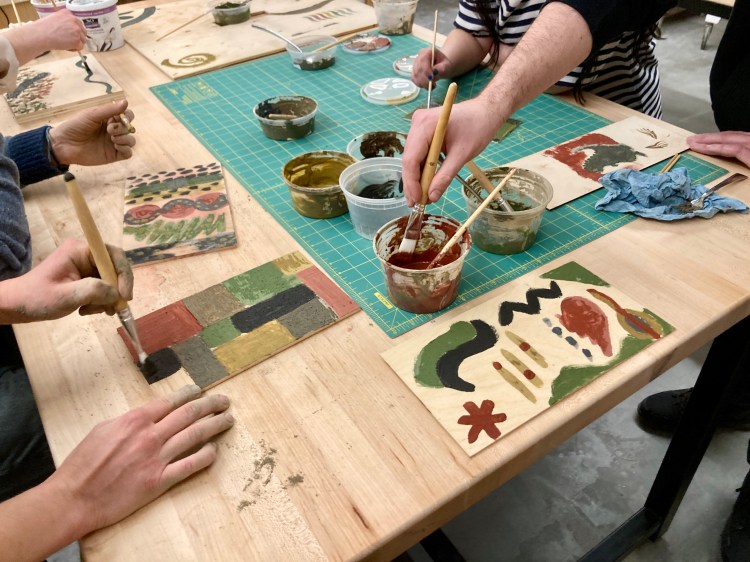
In preparing for my clay paint workshop last month (a little more info about clay paint is at that link, too), I made a quick painting on scrap wood for demonstration. I was delighted to rediscover the joy of painting, doubled by the satisfaction of having made this natural paint, from the shovel to paintbrush.
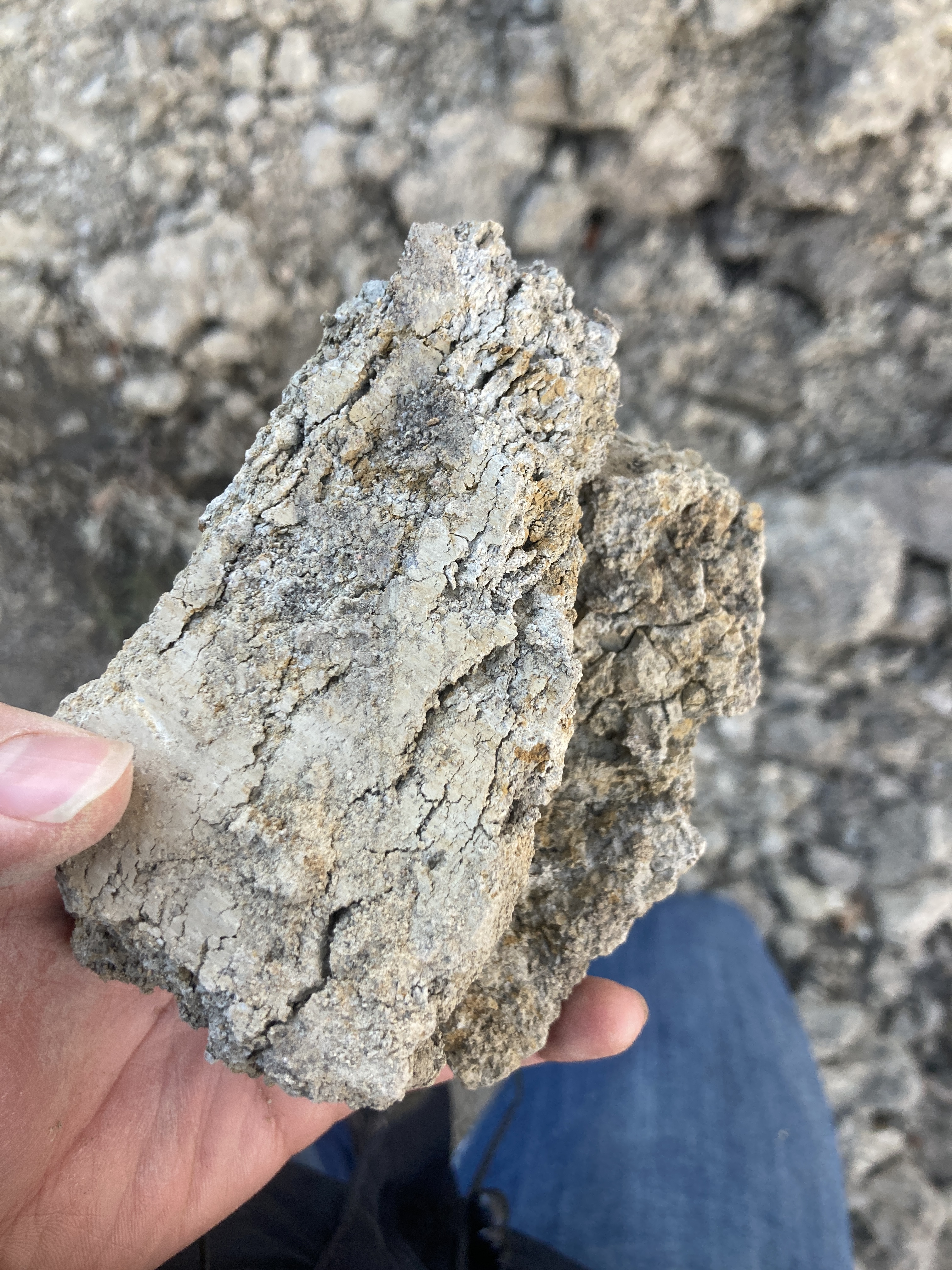

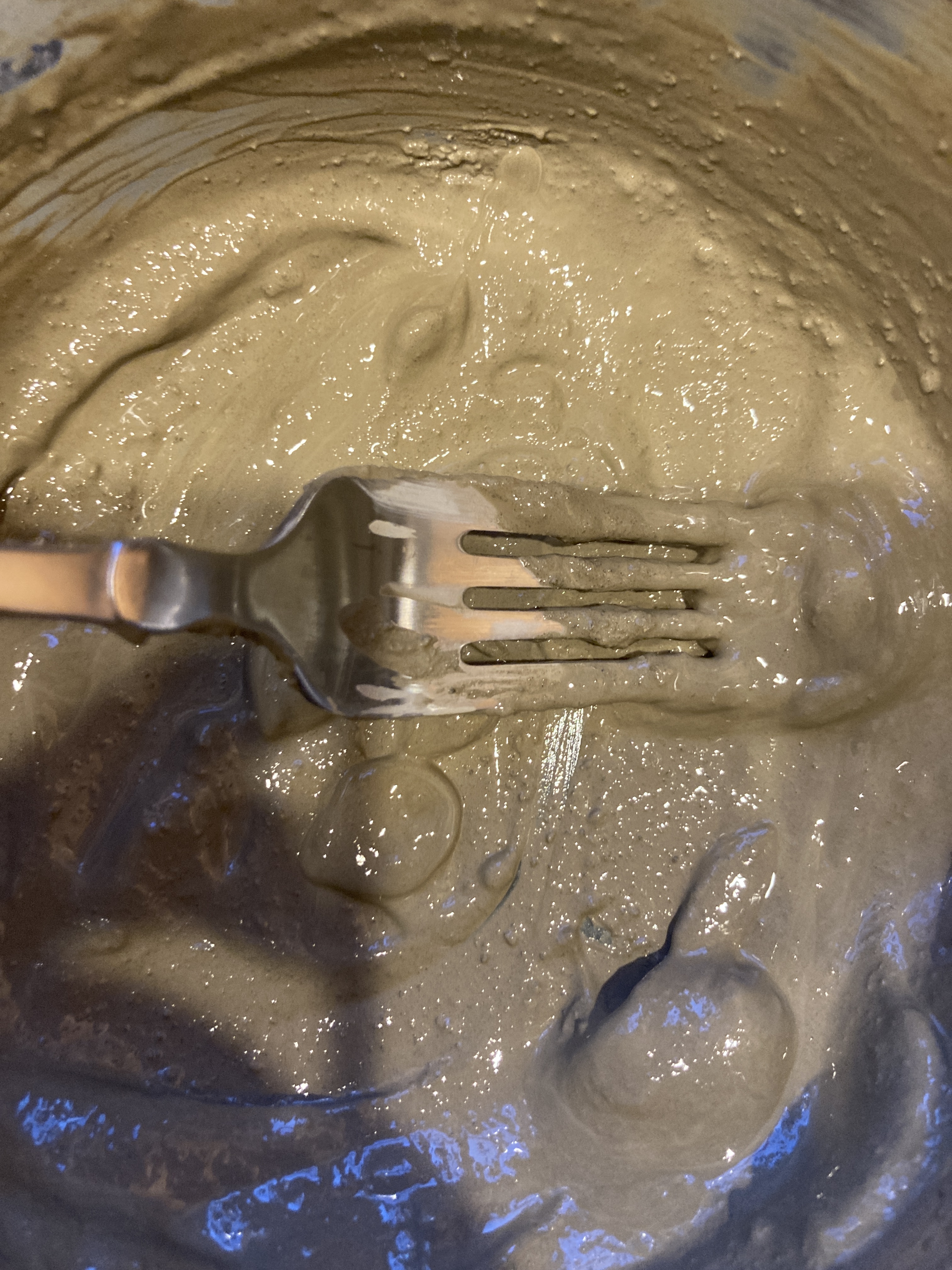

On the surface level, clay paint is so inconvenient that you could not expect anyone to get on board with it. It changes shade drastically as it dries. It takes a good 1-2 hours to make. It goes bad once mixed. It re-dissolves if wetted. But that’s only measuring it against plastic paints, a standard only made possible by environmental destruction. I didn’t need a replacement for acrylic painting: I have plenty of other hobbies. I was just trying something new—and discovered new joys!
I discovered that to paint, I didn’t need waterproof paint that came in tubes of every color. I discovered that just one pigment (black iron oxide) gave me a whole dimension that I was far from mastering. I discovered that the uncertainty of estimating what shade the paint would dry to added an exciting new aspect to puzzle with (I love the flow state that improvising helps me be in!)
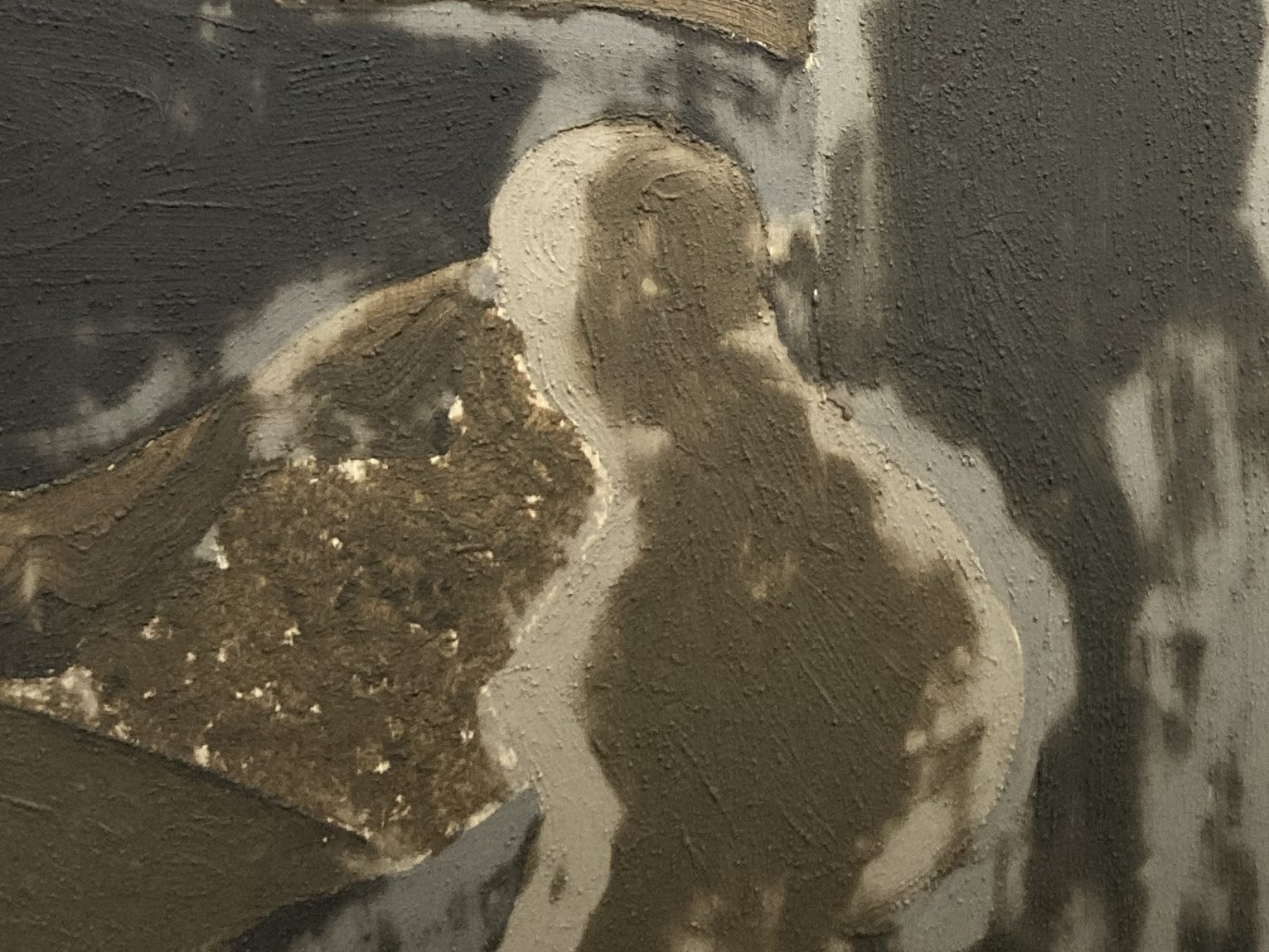
I reveled in the plush yet rough texture of the paint, which married the smoothness of clay and wheat paste with the grit and weight of fine sand and silt. I could build three-dimensional texture, and once dry, the light would bounce off the larger particles to create another layer of interest.
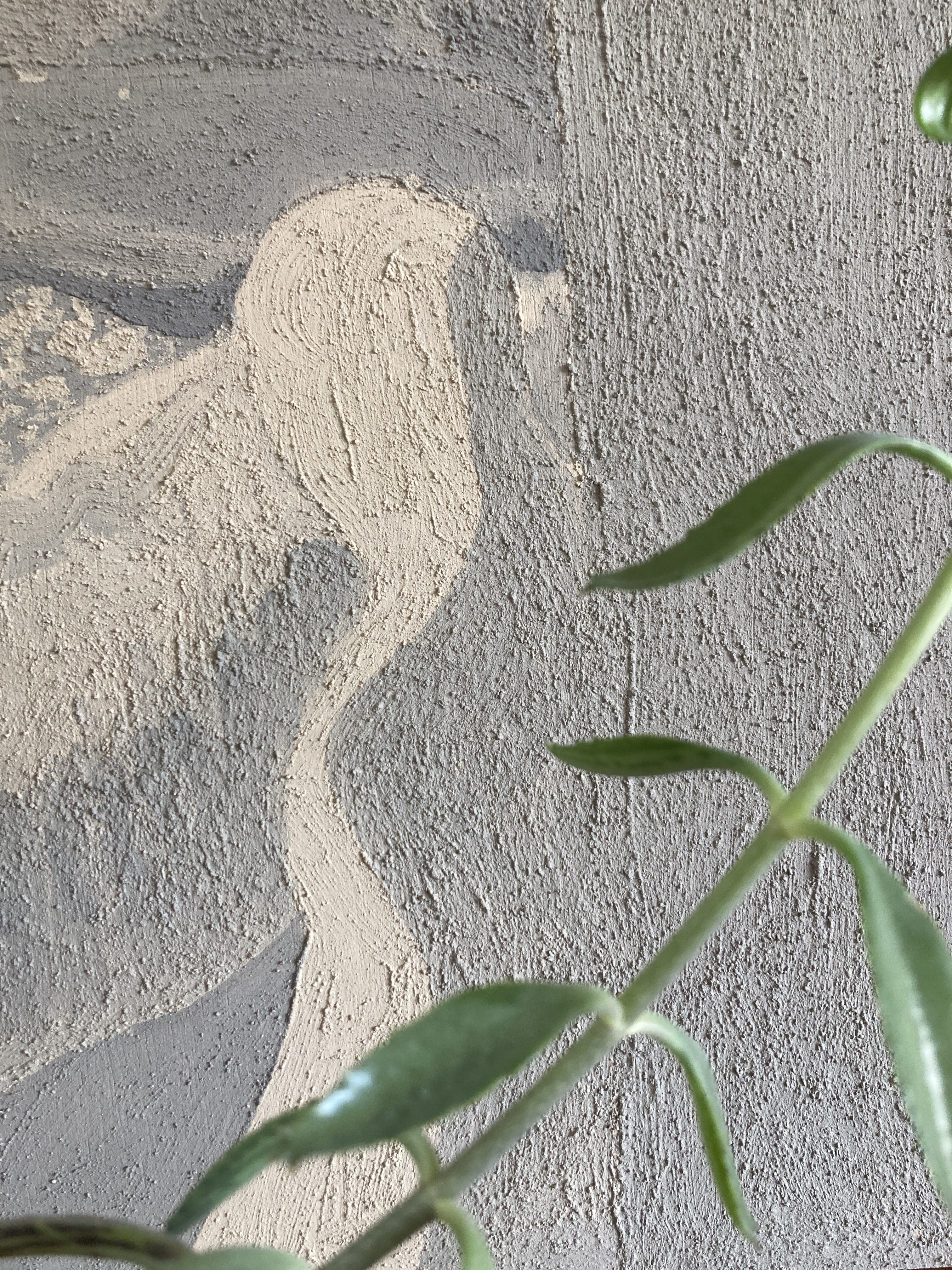
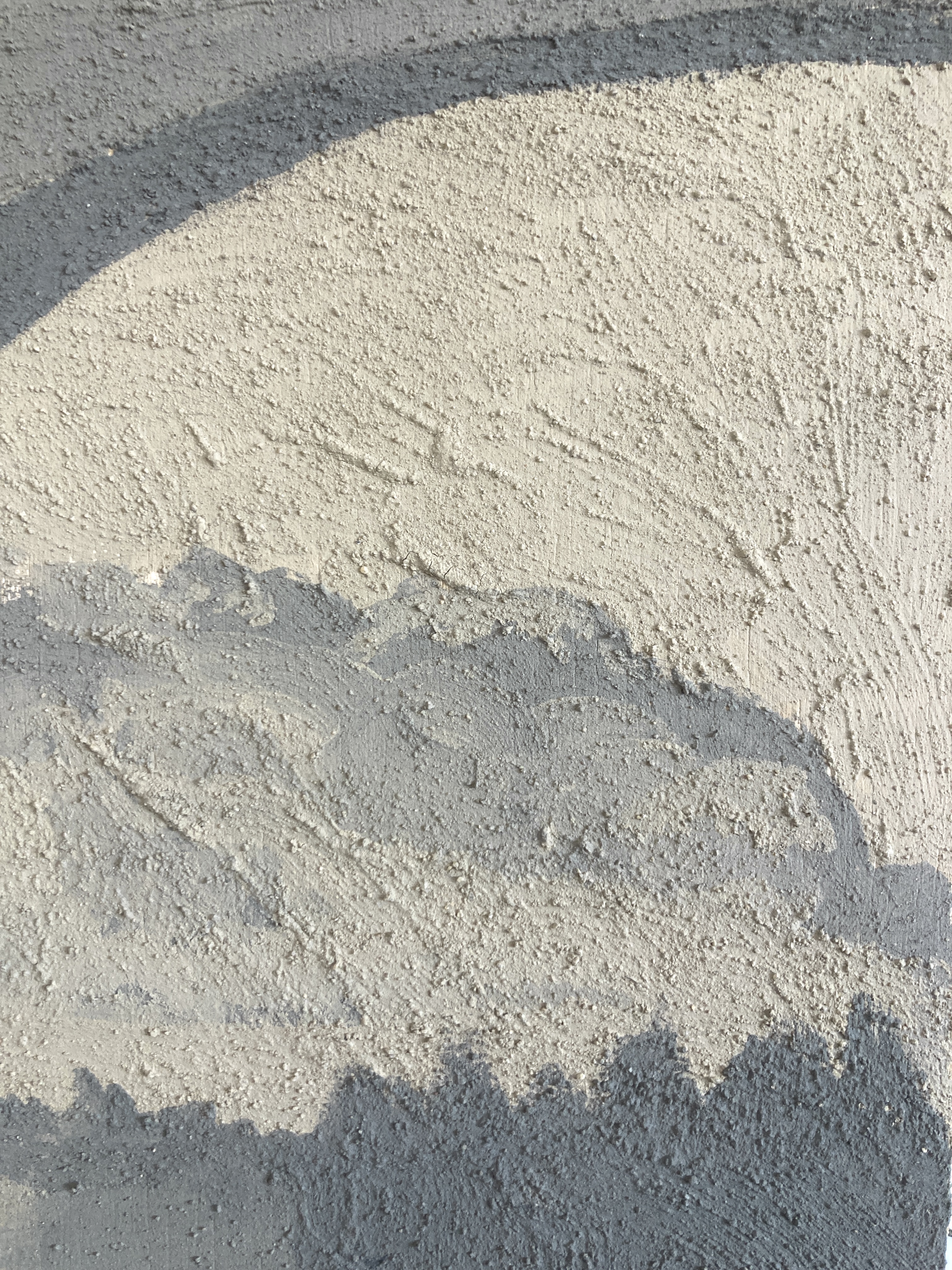
This is the joy of natural building, and more generally, sustainable living, that fuels me. In stepping away from the modern expectations, we free ourselves to experience new joys. Painting is a low-stakes example, but could this shift also be possible for the highest-stakes facets of our lives: food, shelter, and water? Could we find radically greater joy in a radically more sustainable life? I think so.
There is also power in showing that natural materials can be subtle and artistic, not merely rough and uncultured. Stepping foot in any history museum will show the sophistication possible with natural materials, but we could use reminders in our own hands, not just behind the glass.

PC: By Niobid Painter – Walters Art Museum, Public Domain, https://commons.wikimedia.org/w/index.php?curid=18845518
We don’t just need food, water, and shelter. We need art and culture, creativity and community. The closer we get to sustainability, the closer the borders are blurred, it seems.
I will likely be running another clay paint workshop soon, so subscribe to my natural building website for updates if you wish. I’ve also just opened registration for a whole weekend workshop that I’m super stoked about.
Discover more from evoiding
Subscribe to get the latest posts sent to your email.
 evoiding
“In stepping away from the modern expectations, we free ourselves to experience new joys.”
Is this another way of saying the same thing: Life contains inherent joys that modernity constrains us from experiencing?
To me it feels logically the same, but implies living sustainably is normal and modernity is aberrant. The different perspective makes living more sustainably easier to me.
LikeLike
I think that means basically the same thing, although for me, being as picky as you know I can be with words, I’d rephrase it as “life has the potential for many joys, some of which modernity impedes us from experiencing.”
I think I can relate—sometimes, thinking about the many people who have done so much sustainably makes some things feel easier to face and be at peace with. I don’t usually say that living sustainably is normal, though, because “normal” is taken as “normal for the here and now” unless I follow it up with “in the grand scheme of human history and prehistory.” I’m quite happy to view many of my choices as abnormal.
LikeLike