I contemplate music, mindfulness, and my mom.
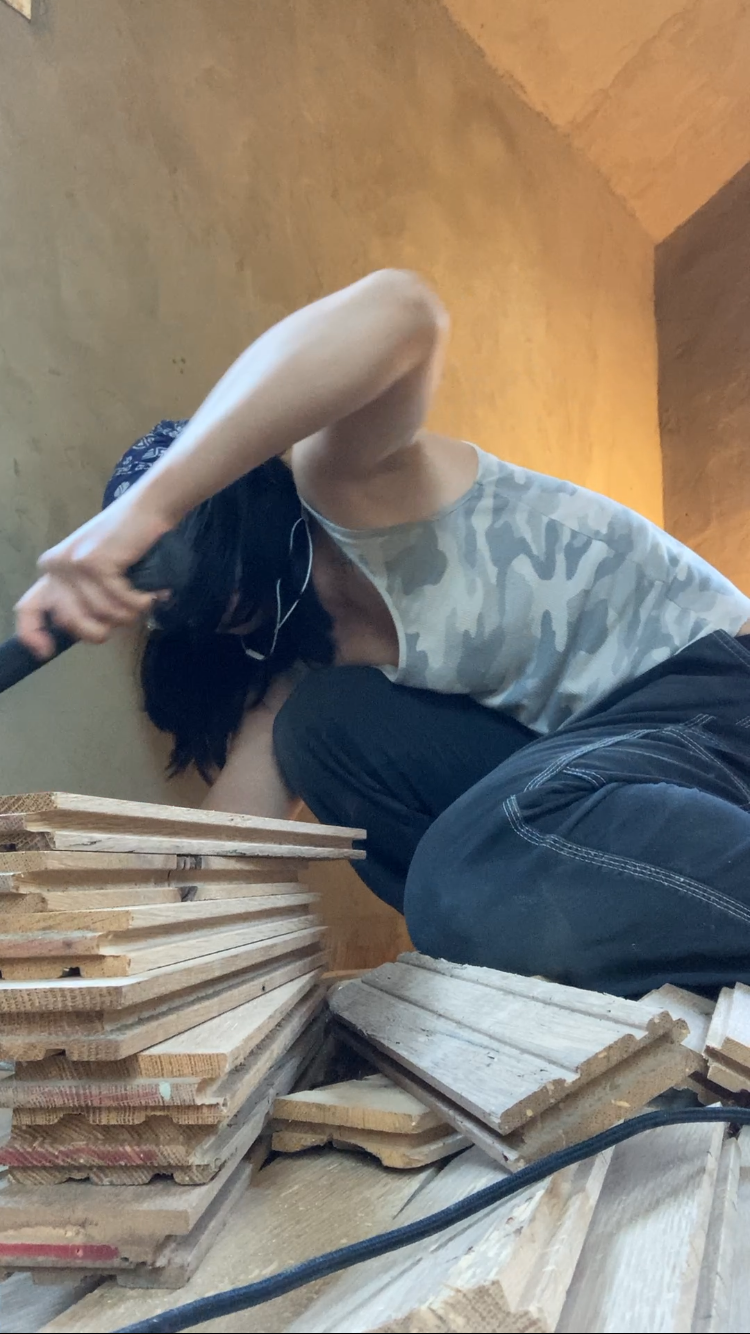
Last year, I listened to music a lot. Like, a lot. I’ve spent a great deal of time doing manual labor alone, with an increasingly grimy pair of corded headphones in. Often all day, with a midday break to charge the phone.

It’s a harmless way to add a little fun to a long and potentially otherwise monotonous and difficult workday. Or is it?
There are certainly many moments when I’m really vibing with the music. Something about labor makes the pop charts not only tolerable but enjoyable. But there are also moments where I realize I’m not really enjoying what I’m listening to: I’m just using it as a mode of control for what’s in my head, to drown out how I’m feeling.
And guess what happened when I worked without music: I wasn’t any more bored! My own thoughts kept me entertained just as well. Even worse, my work was slightly better: with less distraction, I’d make fewer mistakes.
Sometimes, I’d listen to angry music to get hyped up for work, and then find myself feeling ill-tempered afterwards, not for any real reason. I didn’t like how I felt, but I would still do it. This gave me pause. “Wait, what am I doing?”
Getting Dystopian with Spotify
While I was toiling away, Spotify came under fire because its CEO, Daniel Ek, invested a lot of money into AI military tech company Helsing. This prompted me to look more into the ethics of music streaming. If you weren’t aware, artists have a prickly relationship with Big Streaming, much like how small e-commerce sellers have a prickly relationship with Amazon. It’s the same story: a company gains a monopoly on a middle-manning, then abuses that power to enrich themselves at the expense of the actual creators.
In my search for Spotify critiques, I came across “Soma, Spotify, and the brave new world of music streaming.” Frederick O’Brien writes, “Streaming services like Spotify have revolutionised listening habits. Anyone, anywhere, can listen to just about anything. In 2012, David Byrne wrote that music risked becoming a soma-like drug. Today that may be the reality.”
If you’re unfamiliar, “soma” is a drug from Aldous Huxley’s famous 1932 novel, Brave New World1. In its dystopian world, the government issues a drug to keep the population complacent, happy, and compliant.
‘… if ever, by some unlucky chance, anything unpleasant should somehow happen, why, there’s always soma to give you a holiday from the facts. And there’s always soma to calm your anger, to reconcile you to your enemies, to make you patient and long-suffering. In the past you could only accomplish these things by making a great effort and after years of hard moral training.’
These parallels rang true for me. It’s one thing to “choose your emotion” by queuing up some music. But most of the time, we aren’t choosing our own music. An algorithm is. Yikes.
Switching to Apple Music
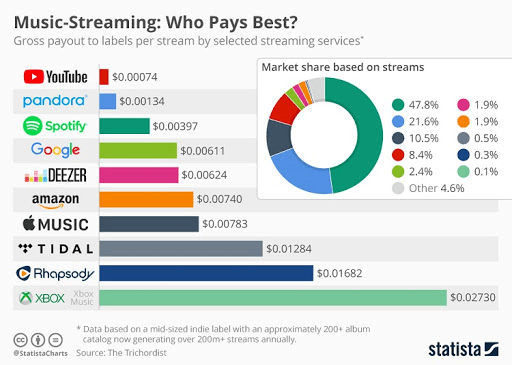
So I switched to Apple Music, because at least it’s not Spotify. And their artist payout is higher. Here’s what I noticed.
Since I didn’t transfer my library and playlists, it changed what I listened to. It was a fresh start. I listened to fewer songs, more often. I listened to complete albums more often, and gained more appreciation for songs I’d previously overlooked. Since Apple Music has far less personalized algorithms, I explored new music by simply going to an artist’s page. I got to know my favorite artists’ music better.
The music quality was also better. I noticed things I hadn’t before.
This all reminds me of the brilliant experience of listening to music for the first time after a silent ten-day meditation course, where it sounded euphorically sublime.
It begs the question: how much “background music” would you give up in exchange for more of those brilliant moments of full-throttle musical delight? What if enjoyment of life depends on a dynamic range of experiences that keeps our receptors sensitive, not just hitting the dopamine button as much as possible?
Life With No Soundtrack, or Wisdom from My Mom
When I was a kid, I wondered what went on inside my parents’ heads.
“What are you thinking about?” I’d ask my mom, while she was washing dishes or eating dinner. She’d shrug; “Nothing.” I didn’t get it. Weren’t we always thinking about something? I certainly was. How could you only have the task at hand in your mind?
Eventually, upon further prodding, she explained it more.
“When I’m doing something, I’m 110% focused on what I’m doing.”
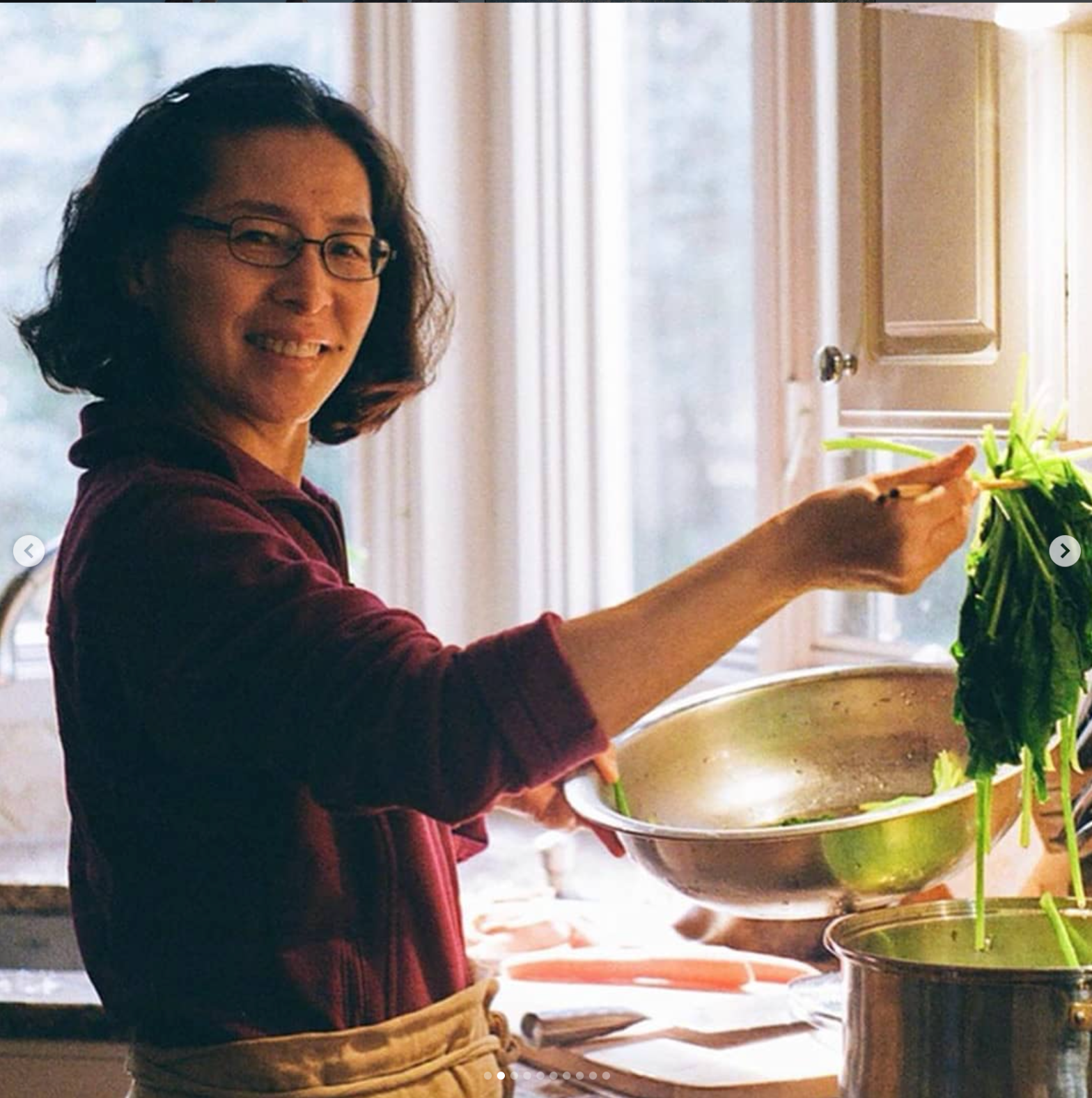
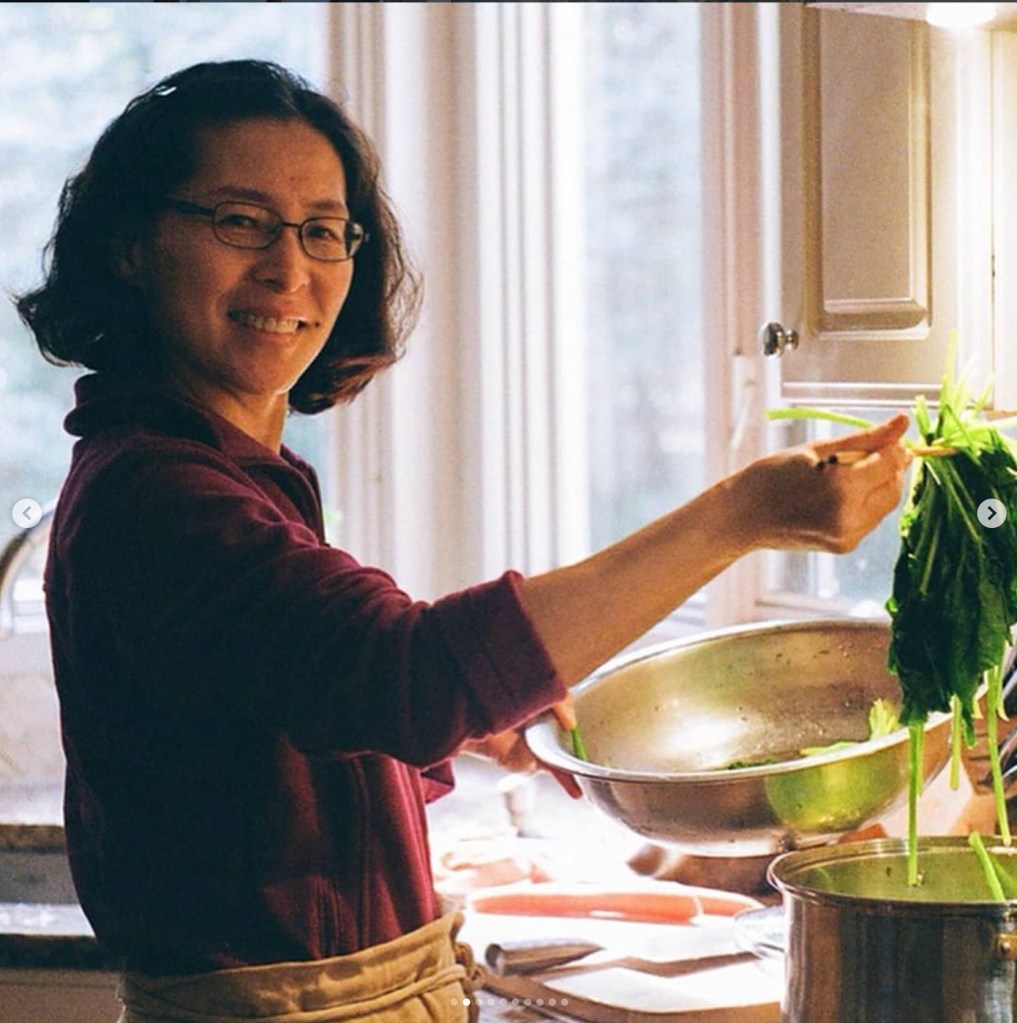
My mom is what some people might call painstakingly diligent. She takes her time, doesn’t miss a thing, and always does a good job at whatever she decides to do. She’s selective about the things she commits to doing, but once she’s committed, she does it perfectly. So when she washes dishes, it’s entirely possibly that all she’s thinking about is the dish in hand.
In my mom’s kitchen, everything has its place. Every leaf in the bunch gets rinsed before chopping. All her clothes are neatly folded and stored. I didn’t realize how much more meticulous she was than most people until I moved out.
Regular people, I came to learn, left smears of food on the kitchen counters. They missed the dust behind the toilet bowl, left papers scattered, and tracked dirt into the house. Regular people didn’t even notice mystery dribbles drying on the floor, stacks of takeout in the fridge, and crumbs collecting in the couch creases.
To be clear, I was regular people, too. Like any kid, I let my spaces get grimy and messy. Just yesterday, I chomped down on a big grain of sand from food I hadn’t washed well enough, and probably chipped my tooth.
But overall, as I’ve grown up, I’ve started noticing things and taking more responsibility for how I want to live. I started realizing the beauty of my mom’s ways.
It’s not just tidiness and diligence. It’s care and honesty. She cares enough about herself and others to take the time to make life pleasant and easy. She has integrity: you can count on her to keep her commitments, big or small. It’s also wisdom and self-knowledge: knowing what you’re capable of, thinking things through before saying “yes”.
Sure, it has its flip side, which we’ve both experienced. Sometimes we’d view commitments as written in stone, and sacrifice too much to follow through when we’d really be better off changing course. I’ve also learned with time to be more careful about my commitments, and to be more flexible.
Ultimately, my mom’s “110% focus” way isn’t about hardheaded grinding, but a wise and mindful way of being. It’s depth over breadth. Doing the essential things well, instead of everything shoddily. Living in the moment and noticing what’s around you, rather than zooming through life in a haze of multitasking and headphone blasting. Non-judgmentally accepting your limits, rather than being led around by FOMO or wasting time ruminating on what could have been.
You can only care about what you notice.”
I thought about this as I washed dishes the other day. Behind the faucet was a wet rag sitting sadly in a puddle. My eyes drifted up to the windowsill, which had a layer of dust. The sound of the water changed as the sink started to fill, which meant the drain was filled with debris.
Noticing the present allows me to care about it. Or is it the caring that allows me to notice the present? Either way, I was glad that I wasn’t distracted by music: I squeezed out the rag, wiped the windowsill, and ran the disposal. Each tiny move brought a little satisfaction.
The entertainment media industry seems to be in a symbiotic relationship with the consumer goods industry when it comes to eating away at our lives for profit. The constant, glittering stream of distraction, by definition, takes our attention away from what’s happening in front of us. The less we notice, the less we care, and the more that entropy takes over, accelerating the journey of our stuff towards the landfill. So we fix the problem by buying more, working more, and ultimately, living less.
The insidious message that rarely goes countered is that the life you live is boring, painful drudgery, and that deliverance can be found only in entertainment, gadgets, vacations, and the money to hire the underclass to do it for you. But the truth is the opposite: happiness doesn’t come from escaping the work of living, it comes from enjoying the work—the making of your life.
The same truth is reflected in one of my favorite papers, “Negative Externalities as an Engine of Economic Growth.” To be honest, I feel like technology is done. What I mean is, we’ve discovered almost all of the things we’re going to truly benefit from2, and have moved on to inventing new problems in order to make money solving them (per Bullshit Jobs). The technological toolbox is overflowing: progress now needs to come from filling our human toolbox with skills for cooperation, conflict resolution, healthy habits, and mental health.
The Sound of the Woods, or Why I’m Glad My Airpod Broke
A couple days before I headed to Vermont for a workshop, my single remaining AirPod broke. Tragic, I know. But I was relying on it to feed me navigation cues whilst biking across Vermont and New Hampshire, so I was a little miffed.
Thankfully, navigating turned out to be easy, even with no audio cues. I took a few extra moments to look at the next few turns at a time, and ended up stopping to check the map just as often as I would have with audio cues anyway.
It rained the whole ride up, which was pretty miserable, but I can’t say that listening to music would have made it better. In fact, it was raining hard enough that I really had to focus to see the road through my water-covered glasses. I still hit one big pothole (don’t trust a puddle in the rain, folks), so it was probably for the best that I had no extra distractions.
But rain passes, and I was rewarded with three gorgeous days of riding on the way south. They were truly some of my favorite days bike touring ever: trees, mountains, rivers, and lakes were just so beautiful; the route kept it interesting with smooth roads, packed dirt, and chunky gravel; even the clouds drifted past the sun to alternate brightness and shade. There was ease (peaceful rail trail) and challenge (crossing a river, and a rough trail). There was exertion (steep hills) and relaxation (reading a book on the beach). And serendipity: I came across the famous Sculptured Rocks without planning to, and managed to squeeze in a networking coffee chat just a few miles from my bus home!
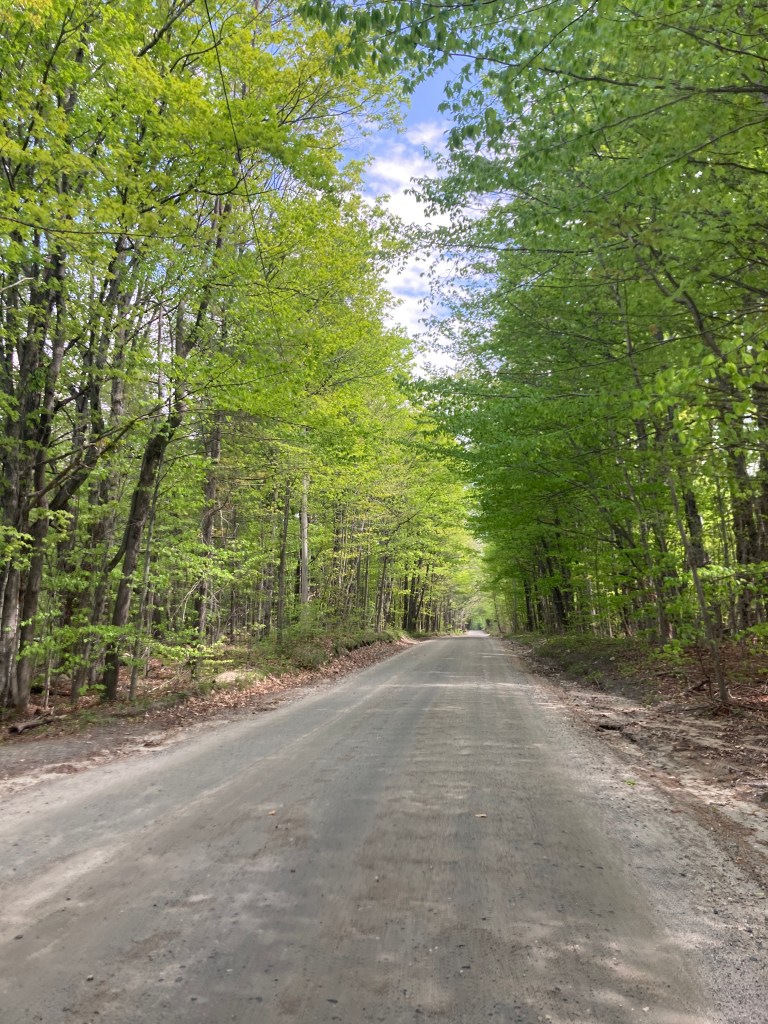
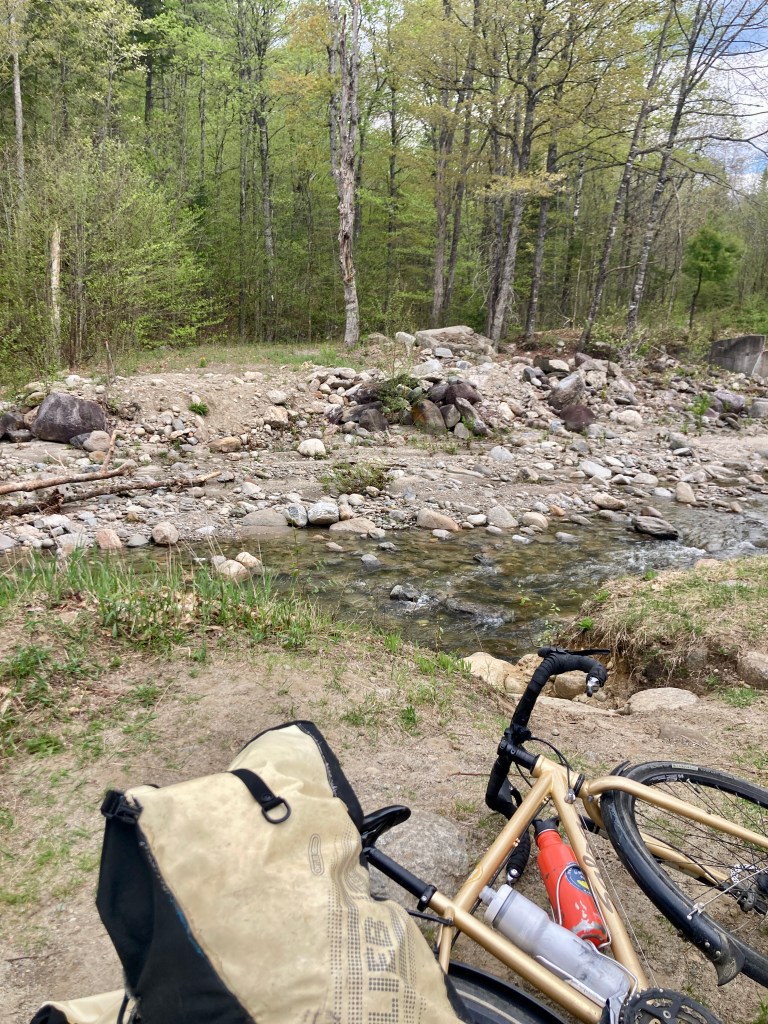
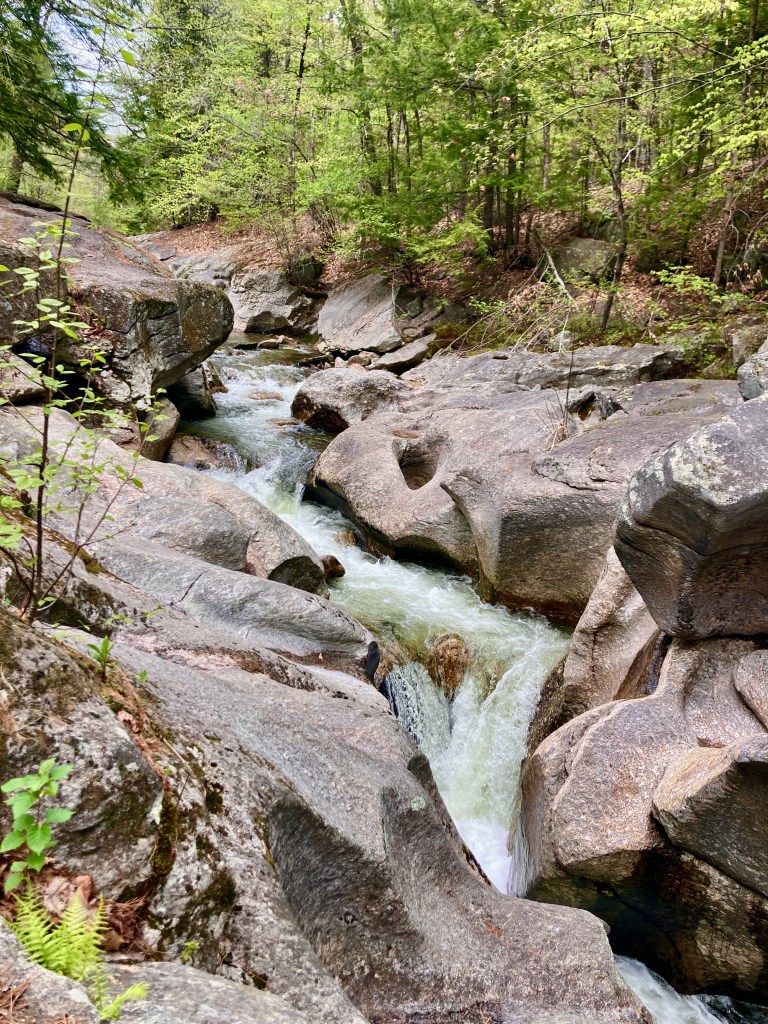
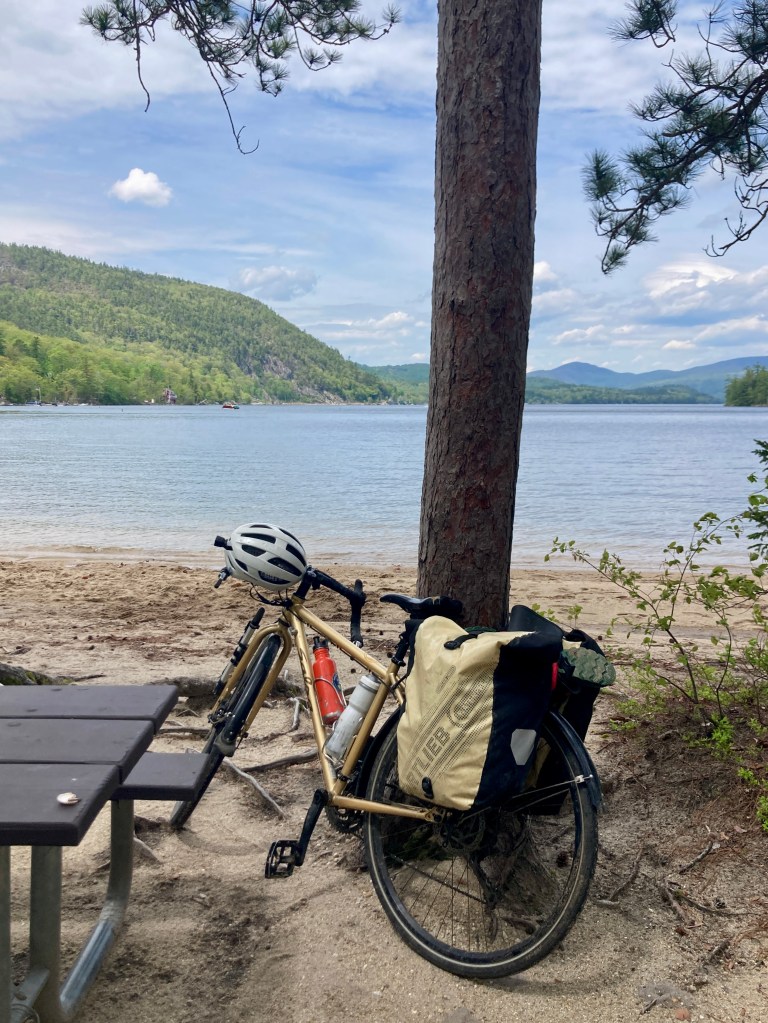
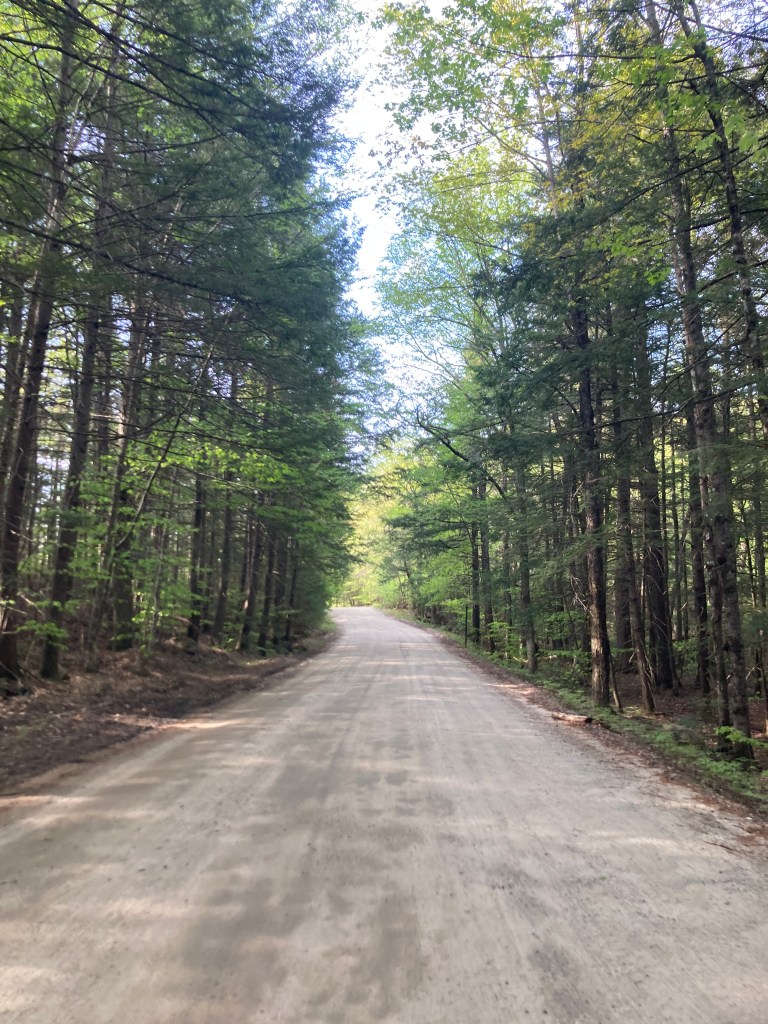
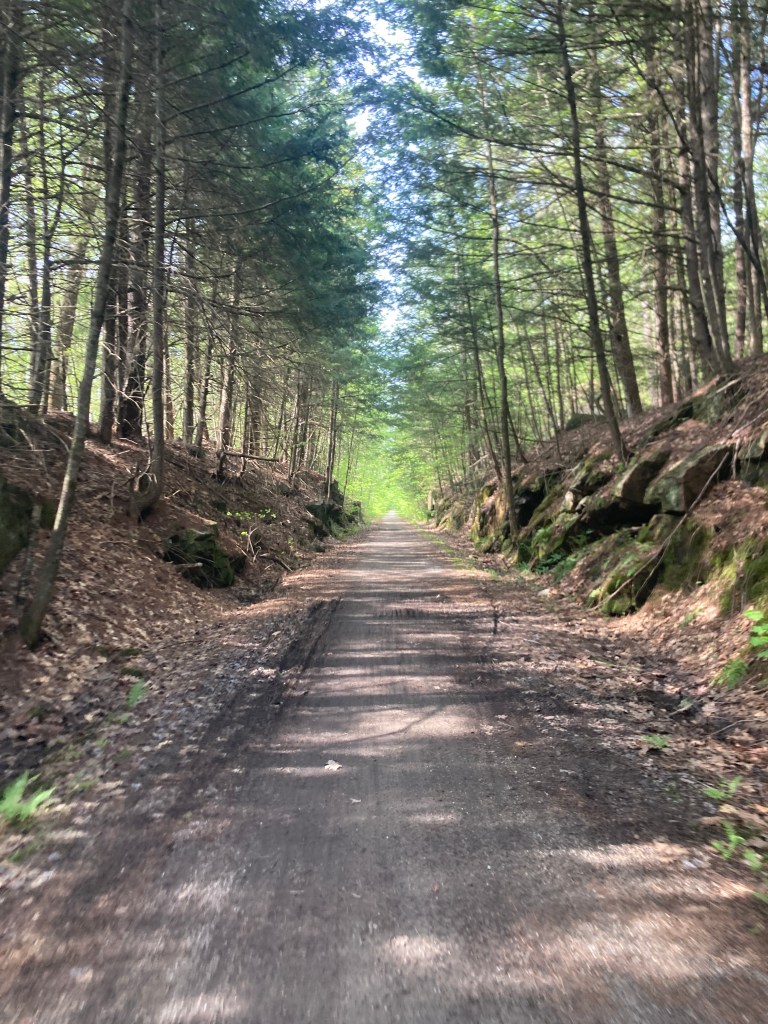
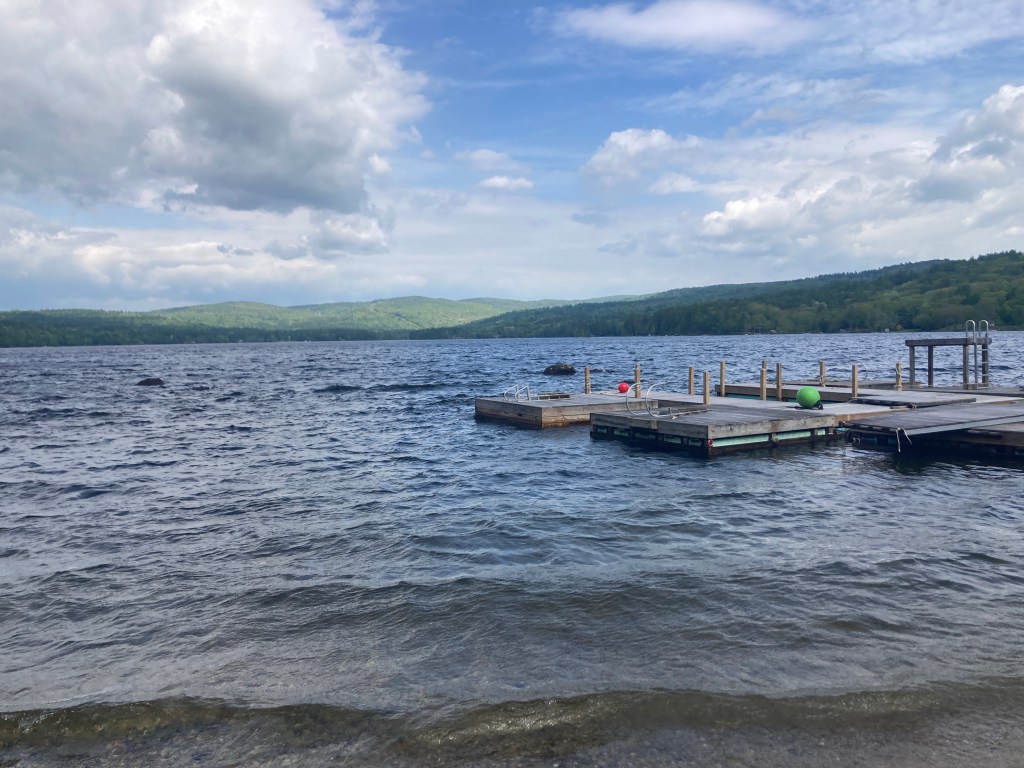
I was glad I didn’t even have the option to listen to music. It couldn’t have made the experience better. There was more beauty to take in than I could, and I wouldn’t have wanted to miss anything of this special experience just to listen to some music I could listen to literally anywhere. Here were the bird calls, the crunching of gravel roads, the rushing of the rivers that the roads followed, sparkling through the trees. We only have so many senses, and being able to use them all fully made the experience so much more memorable.
The lack of soundtrack may have even made the hills a tad easier, in its own way. Because I wasn’t putting myself into a distraction mindset, I was less prone to viewing discomfort as a bad thing to try to ignore, and more able to take it in stride, neutrally.
On the bus home, I finished reading my book and then scrolled on my phone for a while. Some music would have been nice, but like, whatever. It really made no difference.
Funnily enough, a few days after I got home, my lone AirPod started working again.
Postscript/Updates
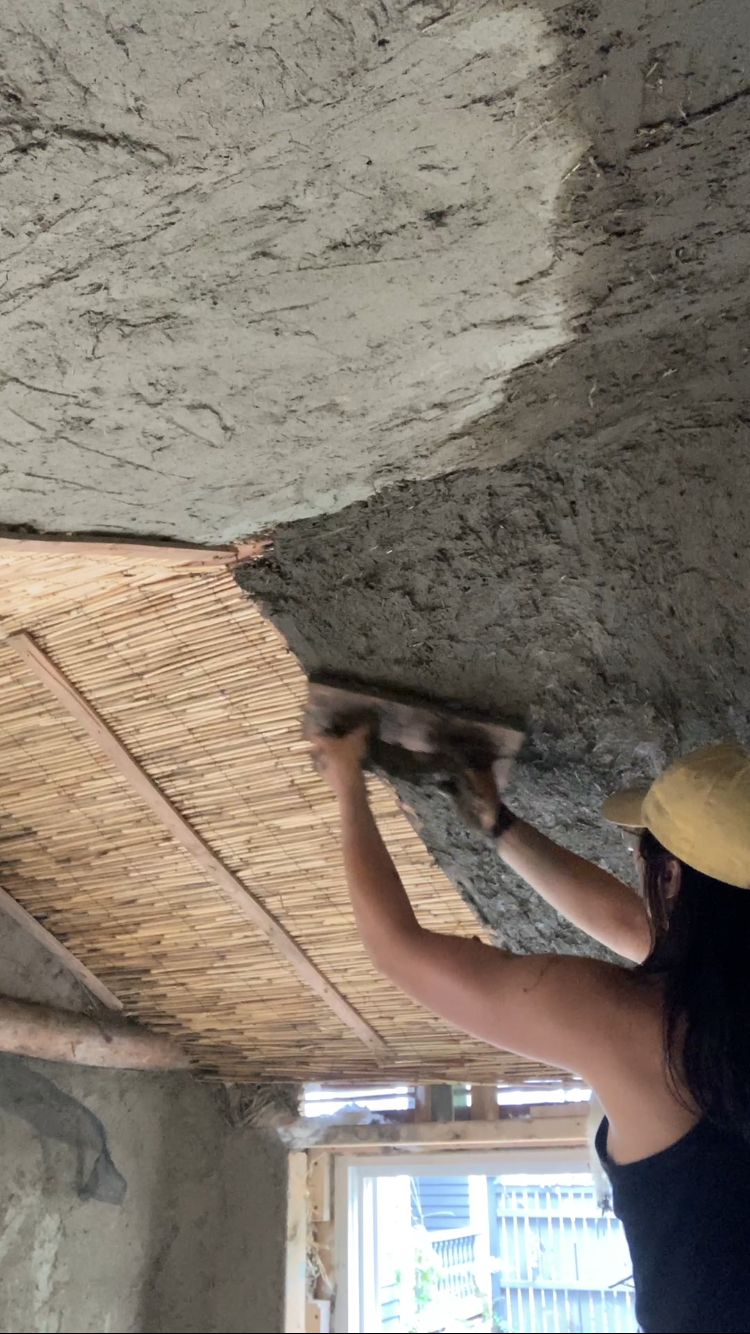
Things are going well over here. Getting busy with my natural building work, will probably have a volunteer day coming up in Lincoln, so stay posted on that channel if you’re interested in getting your hands dirty. I also have several workshops open for registration, with more to come.
If you have any plant-based friends who are looking to move in Cambridge/Somerville for August or September, send them my way; we got room for one more in our group.
Lastly, I’m pretty close to pulling the trigger on signing up for the Deerfield Dirt Road Randonneé in August. It’s a 180K gravel ride in scenic Western Mass (with shorter route options, too). If you’re interested and would like to share a campsite, hit me up.
Happy trails!
- Huxley’s soma was inspired by a drink called soma in the Vedic tradition ↩︎
- I know people are going to be like, “No way, what about the cure for cancer?” and look, I don’t have time to get into all that so just know that I’m aware that this sounds a bit flippant. But I stand by the overall sentiment, that we have much more to gain by working on our human abilities than by inventing more stuff ↩︎
Discover more from evoiding
Subscribe to get the latest posts sent to your email.


Thanks for sharing, Emily. Reminds me of the rather crudely named trend, “rawdogging,” where on will go on a long flight or other form of transit with no form of entertainment other than their own thoughts.
LikeLike
Yeah it’s a bit jarring of a word to hear in normal convos (and I cringe at children using it) but I do appreciate that there’s been a trendy way to almost glamorize having an immersive, undistracted experience.
LikeLiked by 1 person